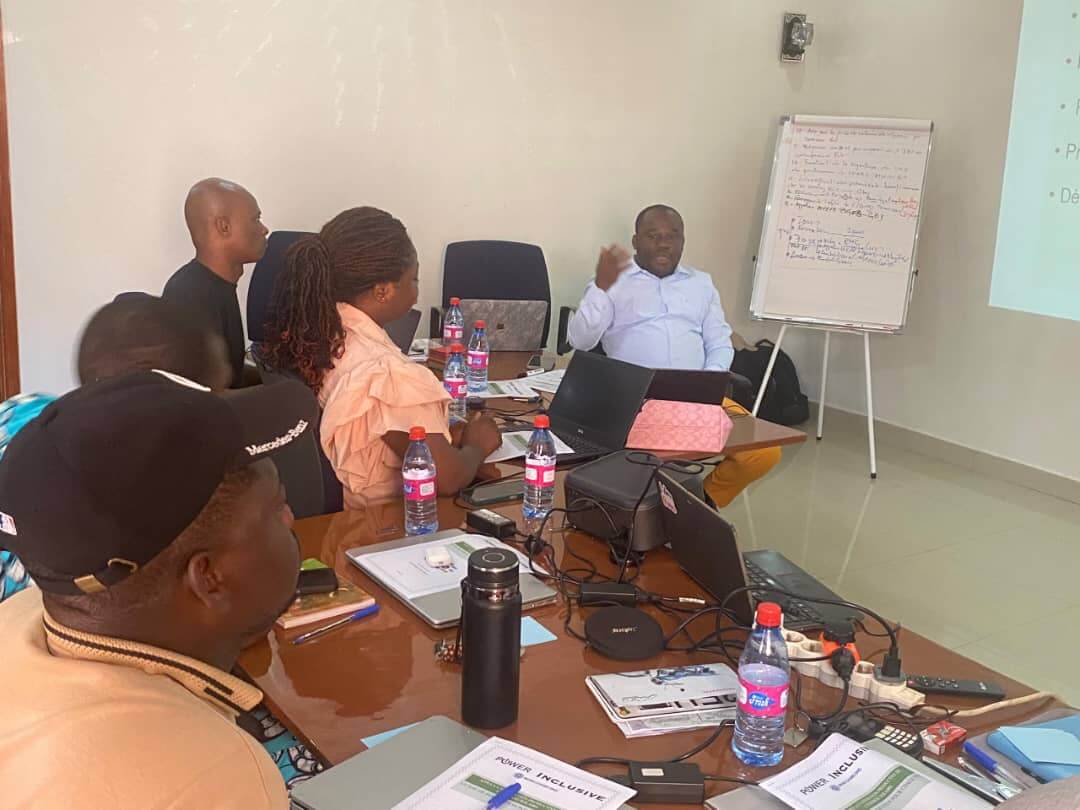
Analysis of performance indicators, equipment optimization, and progressive expansion planning.
Turning Electricity into Sustainable Development: The Inclusive UPE Approach
Productive Uses of Electricity (PUE): The Key to the Economic Viability of Solar Mini-Grids and Rural Development.
Inclusive is an initiative led by OnePower aimed at strengthening the viability of solar mini-grids by stimulating local economies. Our approach is based on the strategic integration of energy infrastructure and rural entrepreneurial development.
Why are mini-grids alone not sufficient?
Rural electrification represents a major milestone. However, access to energy does not automatically generate sustainable economic development.
Low rural incomes
Limited household consumption
High infrastructure costs
Fragile profitability
Access to electricity ≠ automatic development
Lack of Income-Generating Activities
Unmet community needs
Persistence of poverty
Without stimulating local productivity, the financial viability of the infrastructure remains structurally fragile.
OUR SOLUTION: Inclusive by OnePower
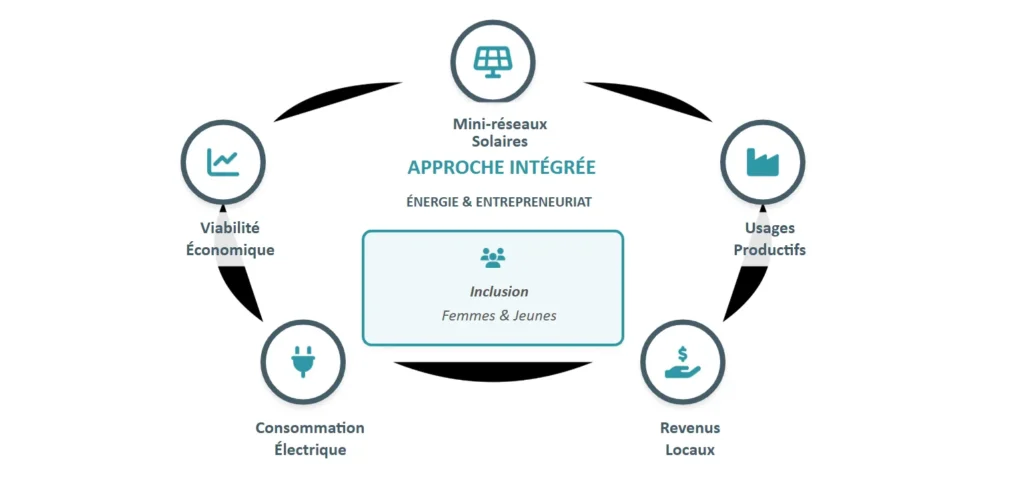
Inclusive has developed a systemic model that directly links solar mini-grids to local value creation.
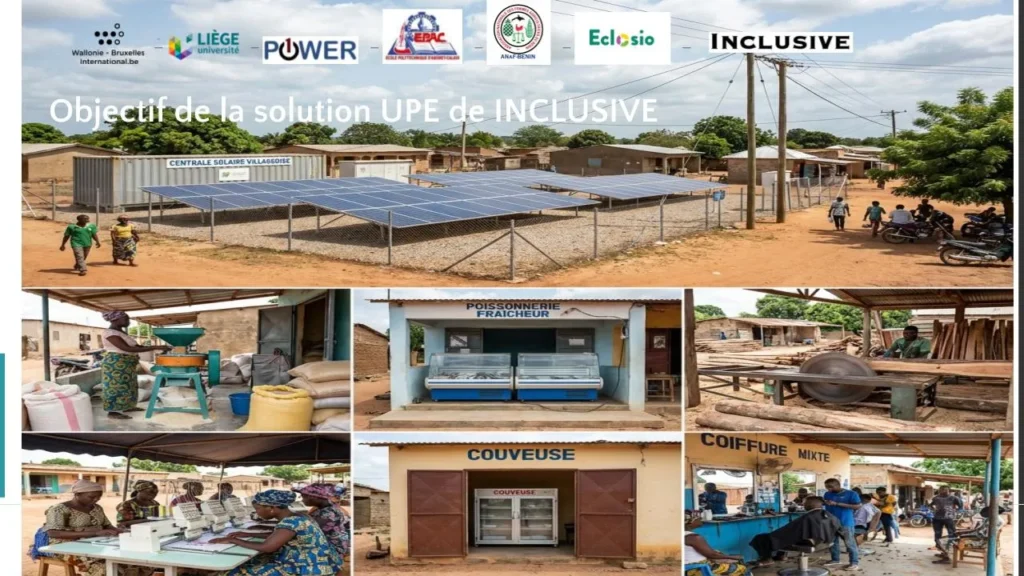
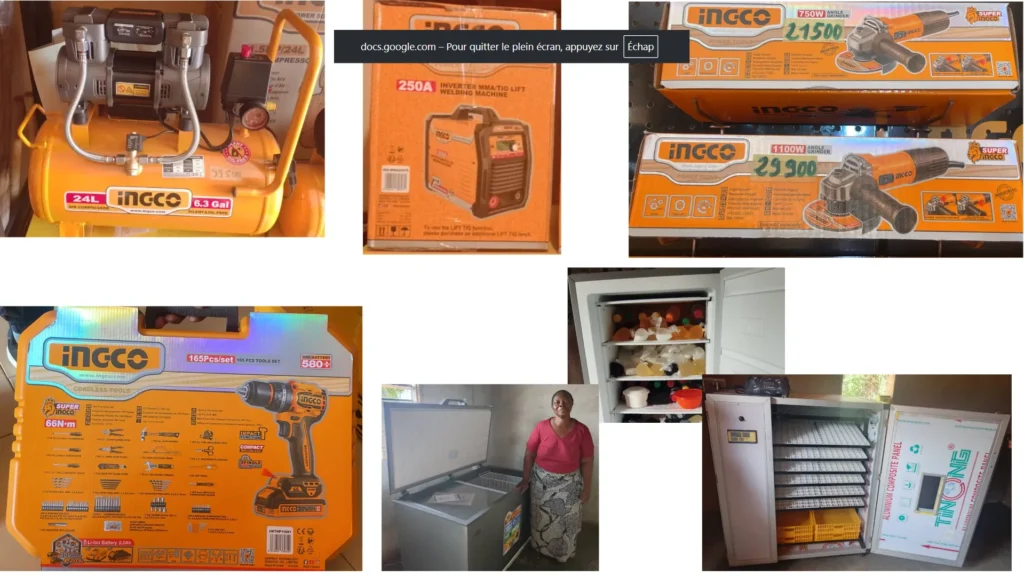
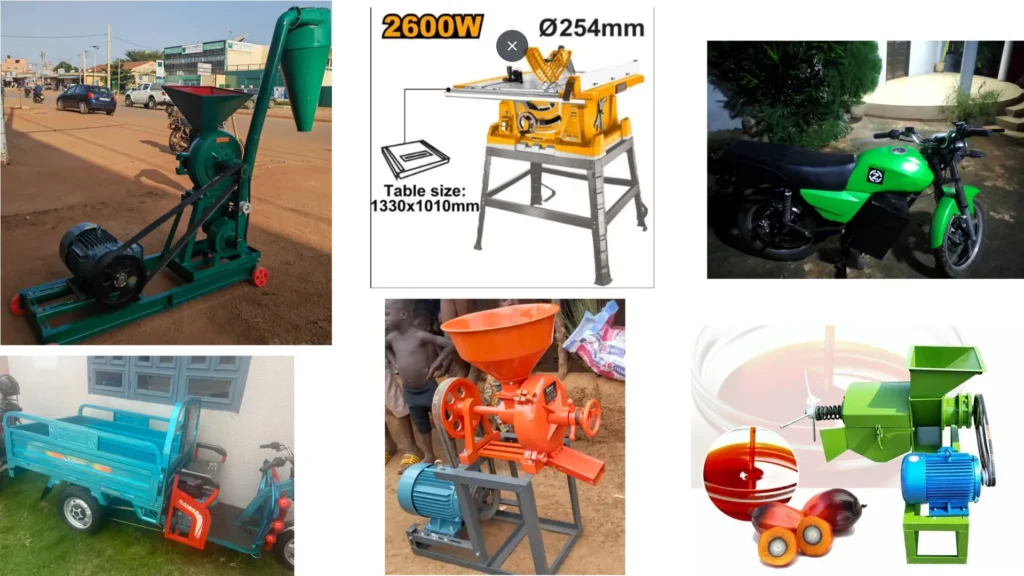
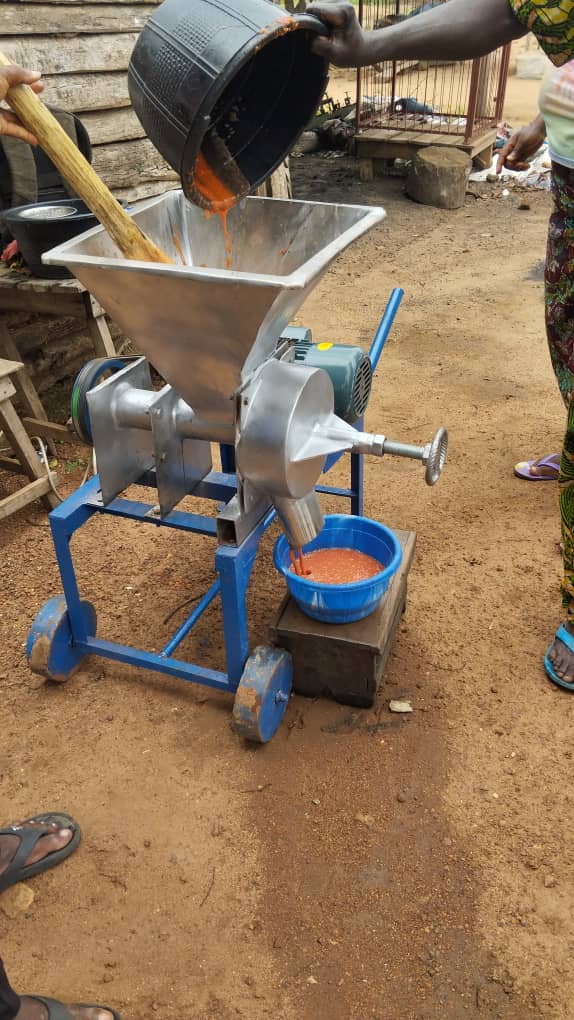
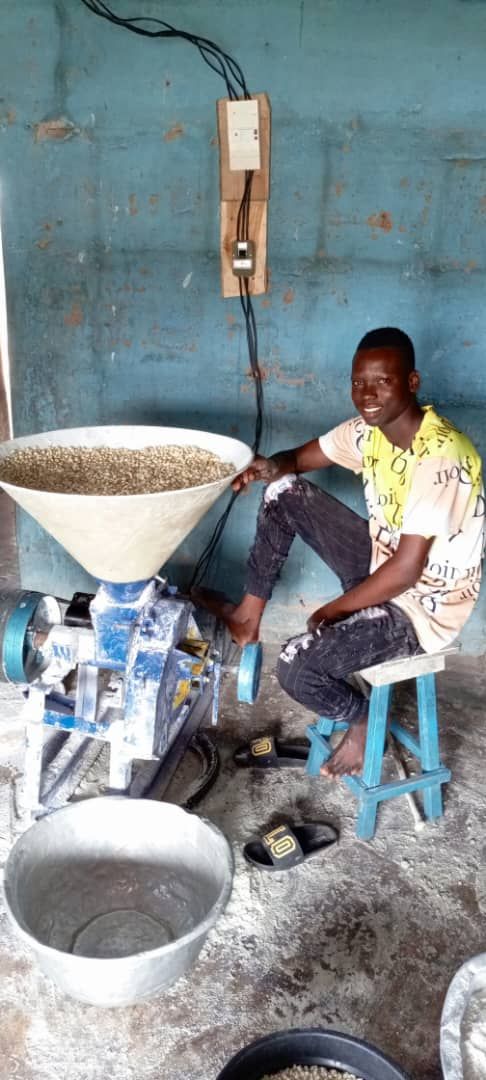
By promoting Productive Uses of Electricity (PUE), we create a virtuous circle: local businesses grow, consume more energy, generate income, and strengthen the profitability of the grids.
Our Objectives
Develop viable and inclusive rural economies around solar mini-grids.
Increase productive electricity consumption
Strengthen the profitability of small businesses (SMEs)
Promote the inclusion of women and youth
Ensure the sustainability of mini-grids
Build a replicable model
Diversify income sources
Make all solutions available
OUR METHODOLOGY
Our approach is based on a rigorous operational framework.
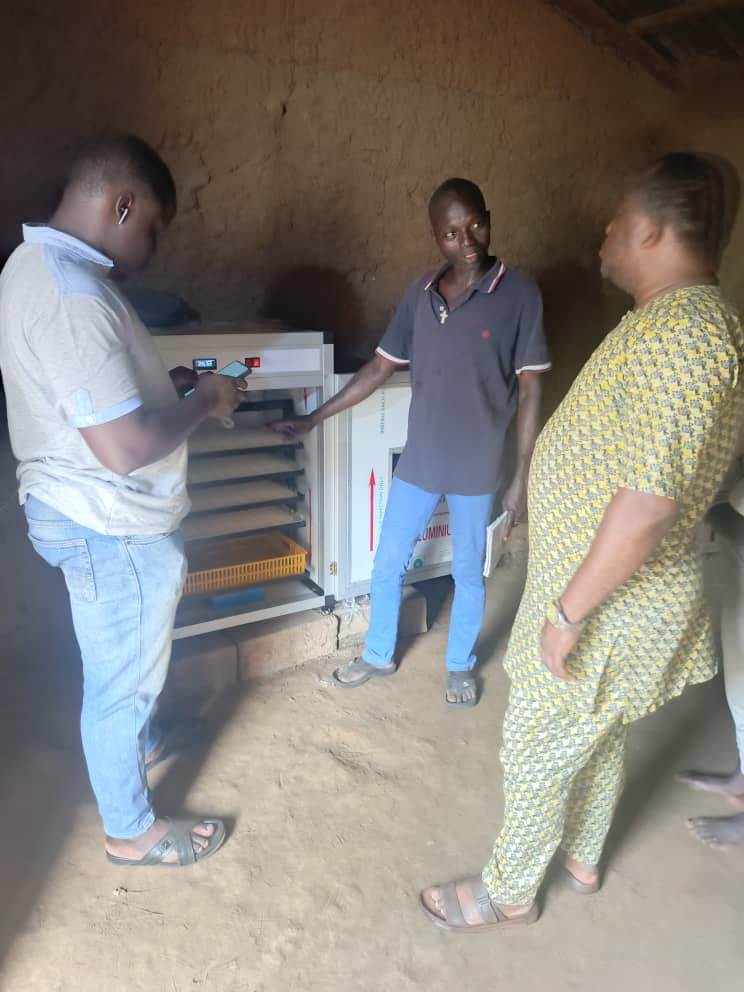
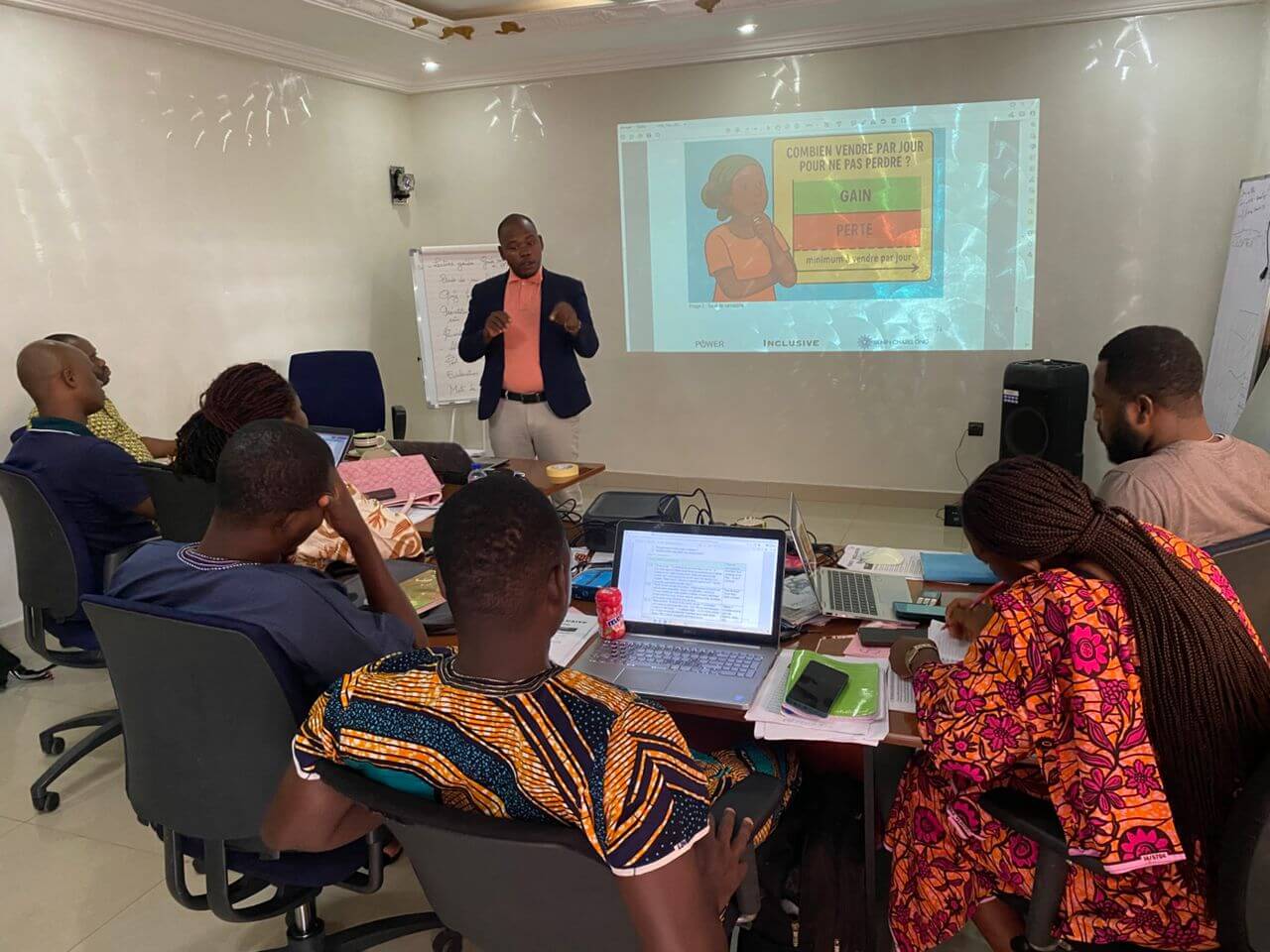
Inclusive Business Coaches (IBCs) provide close support, continuous monitoring, and systematic collection of field data.
Diagnosis → Selection → Training → Lease with Purchase Option (LPO) → Deployment → Monitoring → Growth
Each entrepreneur receives structured support that reduces the risk of failure.
Monitoring énergétique, tests techniques, collaboration académique et amélioration continue du modèle.
Analysis of performance indicators, equipment optimization, and progressive expansion planning.

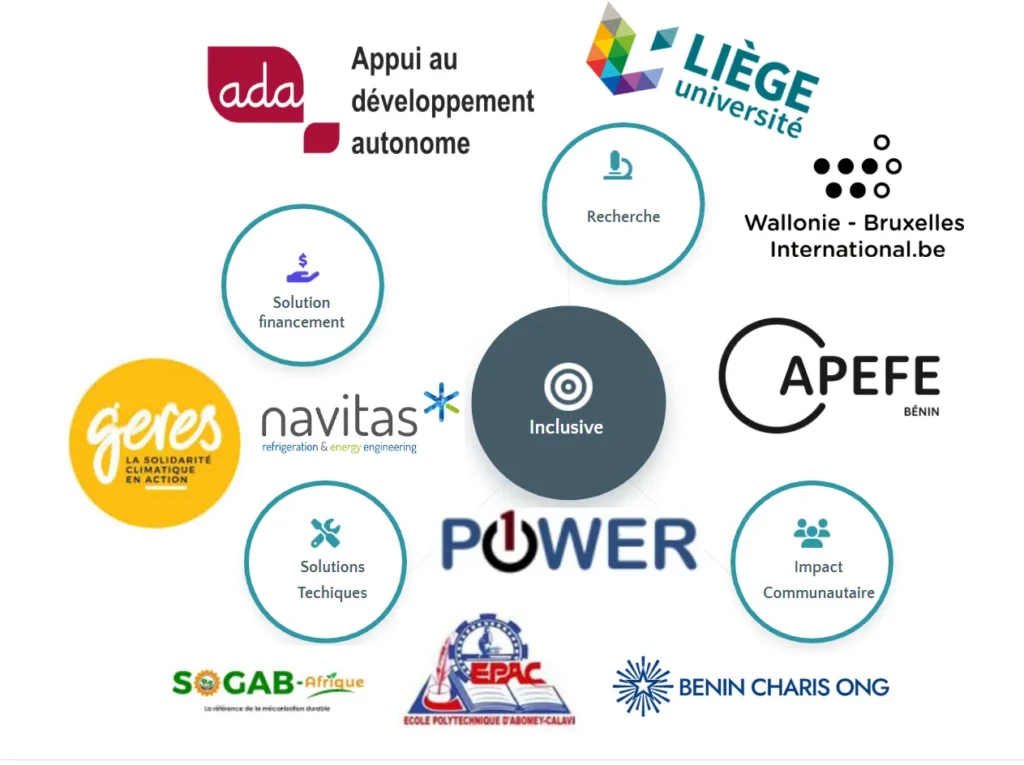
The success of the model relies on strategic collaboration between technical, academic, and financial actors.
University of Liège
EPAC (Benin)
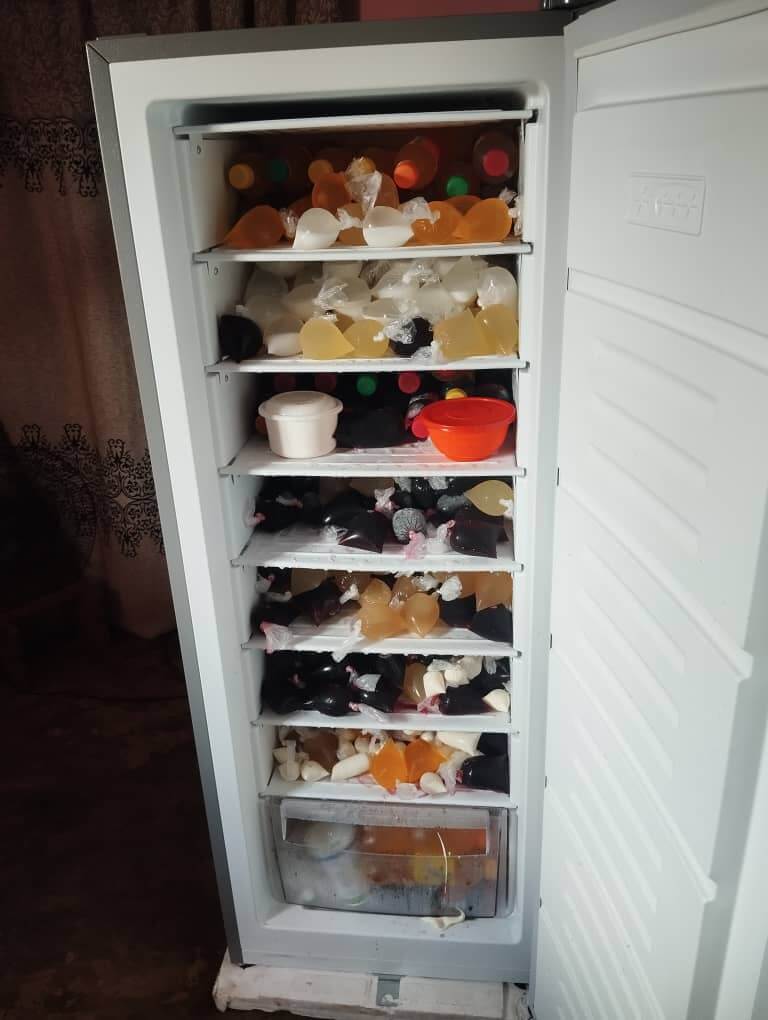
Navitas (Cold chain technical expertise)
Benin Charis ONG (Training support, local expertise)
SOGAB
BEVULTA
Zedmotors
WBI
APEFE
GERES
ADA
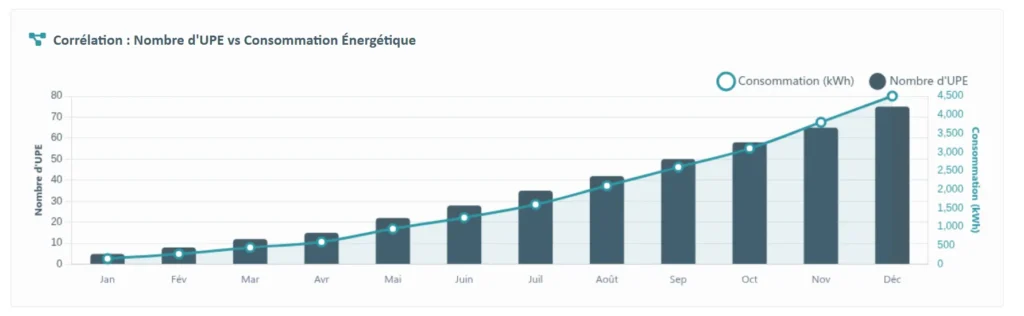
Progressive growth in the number of Electrified Productive Units (PUEs).
Steady increase in electricity consumption.
Strong correlation between the development of PUEs and the viability of mini-grids.
Generation of direct and indirect employment at the local level.
Empowerment of women entrepreneurs and strengthening of their economic participation.
Diversification of the local economic fabric and emergence of new activities.
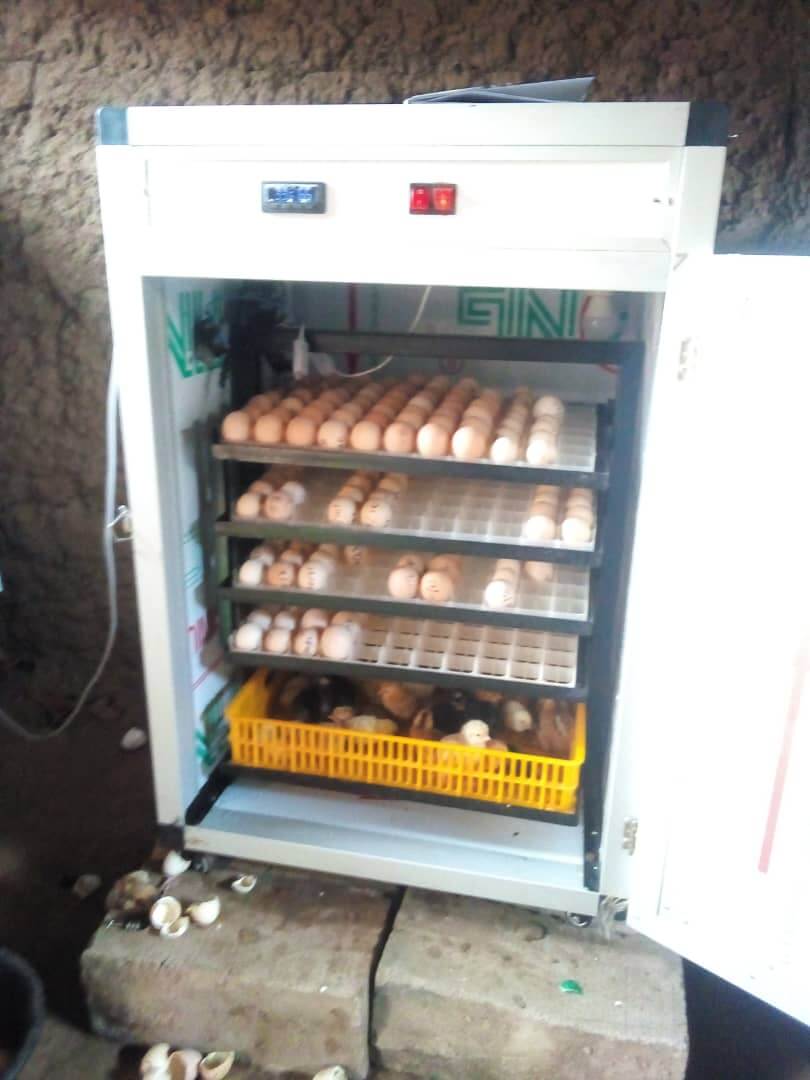
Development of productive energy services within communities.
Strengthening the resilience of rural households against economic shocks.
Improvement in the stability and reliability of energy access.
The initial deployments demonstrate the relevance of the model.
In 2026, we take a new strategic step with ambitious and structured expansion:
Deploy mini-grids designed as platforms for local economic development.
Ancrer durablement la croissance entrepreneuriale dans les territoires électrifiés.
Industrialize a proven and standardized technology portfolio.
Structure reproducible and secure investment frameworks.
Ensure sustainable economic autonomy in the first villages before large-scale expansion.
Responsible Scaling
Create strategic synergies among partners